Continue reading The Eternal Landادامه مطالعه سرزمین جاوید

Thoughts, Inventions, and Discoveries of the Ancient Iranians (Part IV)
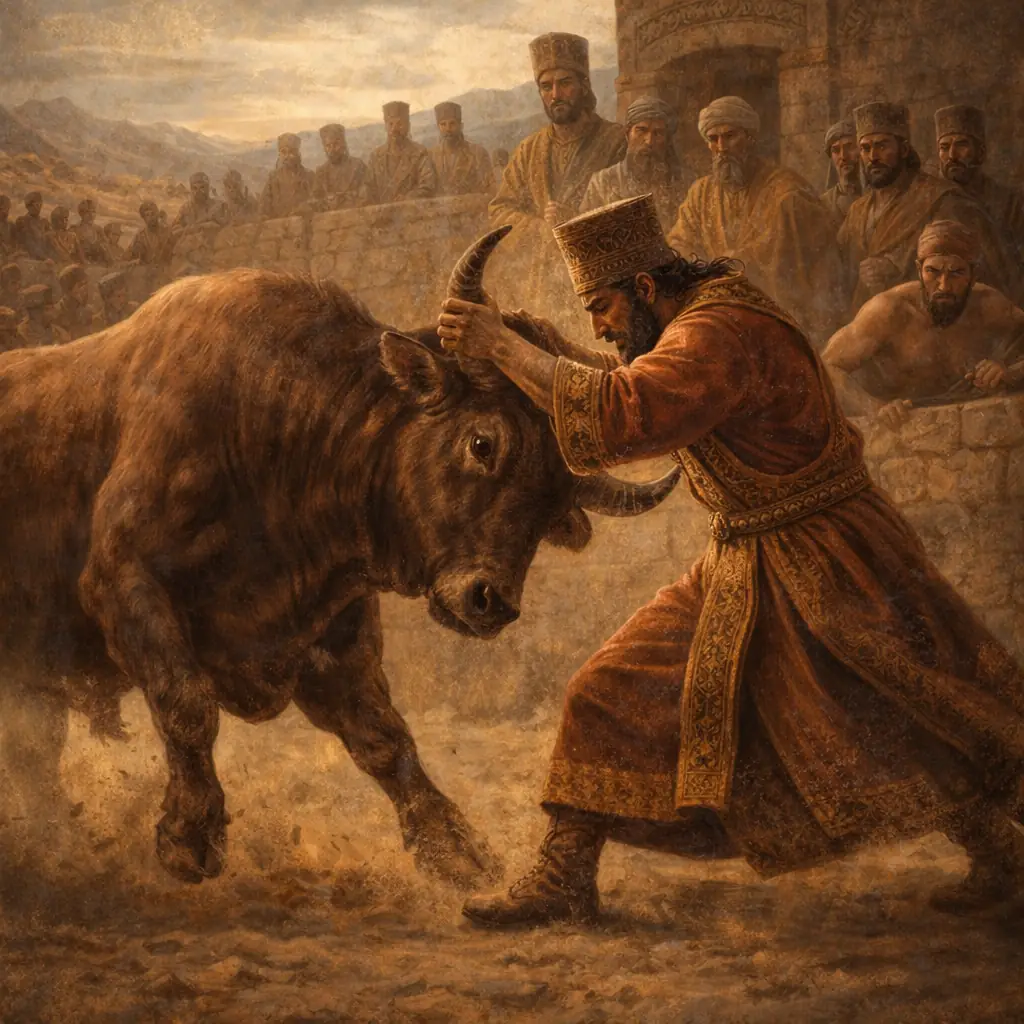
Ancient Iranian bull fight in action

In the civilisation of the island of Crete, the cow, whether male or female, was of great importance, and the inhabitants of Crete also learned this from the Iranians, who were the first settlers of that island. Since the ancient Iranians regarded the cow as a useful animal, after the domestication of animals became common they strove to keep it, and the fact that we see the name of the cow used in part of the names of ancient Iranians was due to the Iranians’ special attention to that animal. The ancient Iranians ploughed the land with the bull and used the milk of the cow, and they used the bull for riding and carrying loads, and bullfighting, which people imagine to be a Spanish sport, was an Iranian sport, and bullfighting in Iran may have a history of ten or fifteen thousand years; but Iranian bullfighting was not in […]

Read More »

Thoughts, Inventions, and Discoveries of the Ancient Iranians (Part IV)

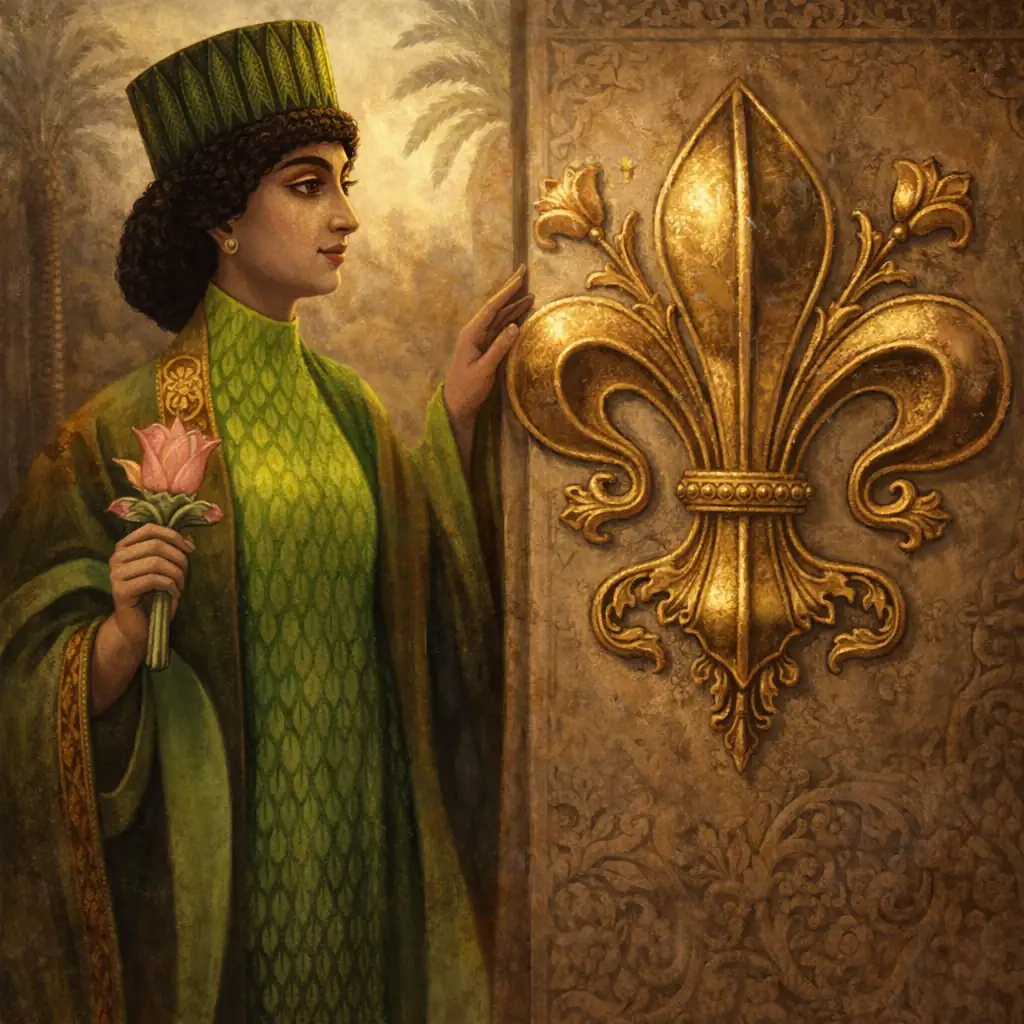
Persians and Iris symbol emblem

Up to today historians have spoken of the migration of the Aryan race to Iran, but they have not mentioned the migration of Iranians abroad and have not said that Iranians to migrated out of the country of Iran. By Iran here we mean a vast region between the Hindu Kush mountains and the rivers Jeyhun (Amu Darya) and Seyhun (Syr Darya) and the rivers of Mesopotamia and the Caspian Sea and the Sea of Oman and the Persian Gulf, and the Iranian peoples in this vast region were divided into numerous groups, and three thousand years before Christ three groups of these peoples became distinct, that is, they were clearly differentiated from the other groups, and they were the Parths (the letter “th” with three dots in this word should be pronounced so that it is close to “t” with two dots) and the Persis and the Medes. Between […]

Read More »

Thoughts, Inventions, and Discoveries of the Ancient Iranians (Part III)

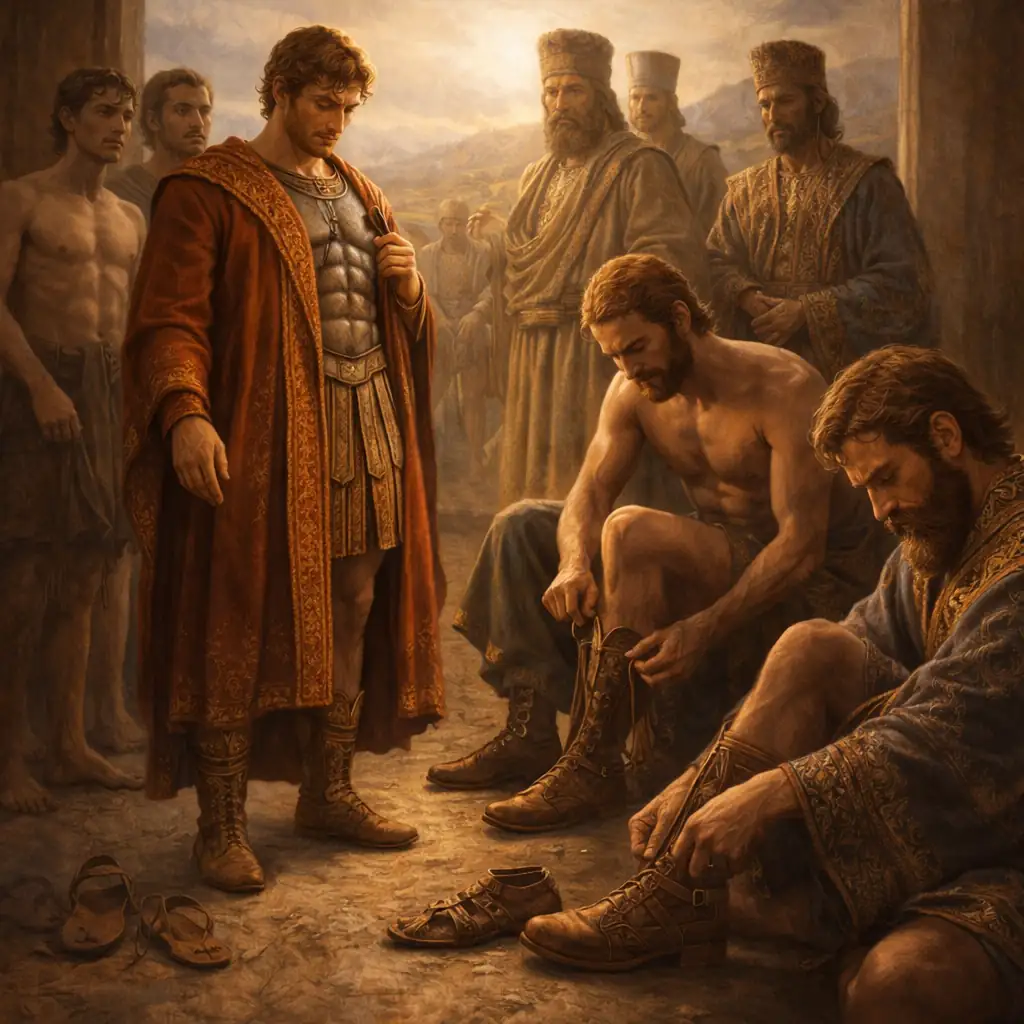
Alexander adopts Persian attire

Alexander, after he entered Iran and saw the things that Cyrus had done and heard from the Iranians, realised that no one should demean or insult a religion on the grounds that it is not his own religion. Another of the great examples that Alexander took from the Iranians was public education. When he entered Iran, he observed that all Iranians could read and write, whereas in Greece reading and writing and the acquisition of knowledge were restricted to a handful of people; therefore he set out to make reading and writing public in Greece as well. While reading these lines, this question comes to mind: if reading and writing were so prevalent in Iran, why were some classes deprived of reading and writing at the end of the Sasanian period? There is no doubt that at the end of the Sasanian period some classes were deprived of reading and […]

Read More »

Thoughts, Inventions, and Discoveries of the Ancient Iranians (Part II)

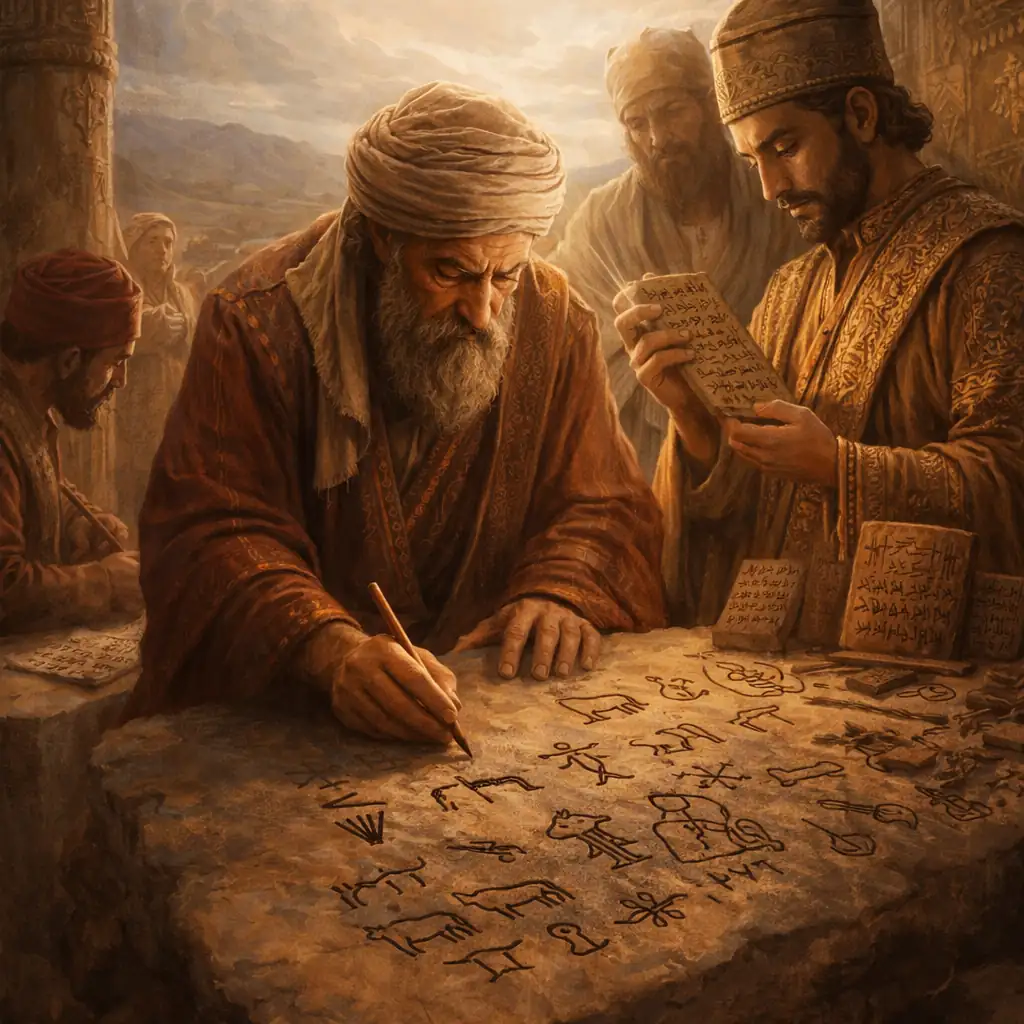
The Emergence of Writing in Ancient Iran

The initial script of the Iranians was (most probably) something like pictographic writing, and after some time they were able to invent an alphabet, and that alphabet was so noteworthy that seven thousand years ago it sufficed to meet the needs of writing; and after we enter the historical stages of Iran (that is, the period for which written history is available), we see that the Iranians brought the alphabet to such a degree of perfection that none of the alphabets of today’s world can rival it, and this is a sign of cultural development in ancient Iran. In the historical period, the Iranians had three types of alphabet: one for writing books and religious texts, another for writing books and ordinary matters, and a third for writing everything; and all sounds, even the sounds of birds and mammals and the sound of wind and sea waves and the falling […]

Read More »

Thoughts, Inventions, and Discoveries of the Ancient Iranians (Part I)

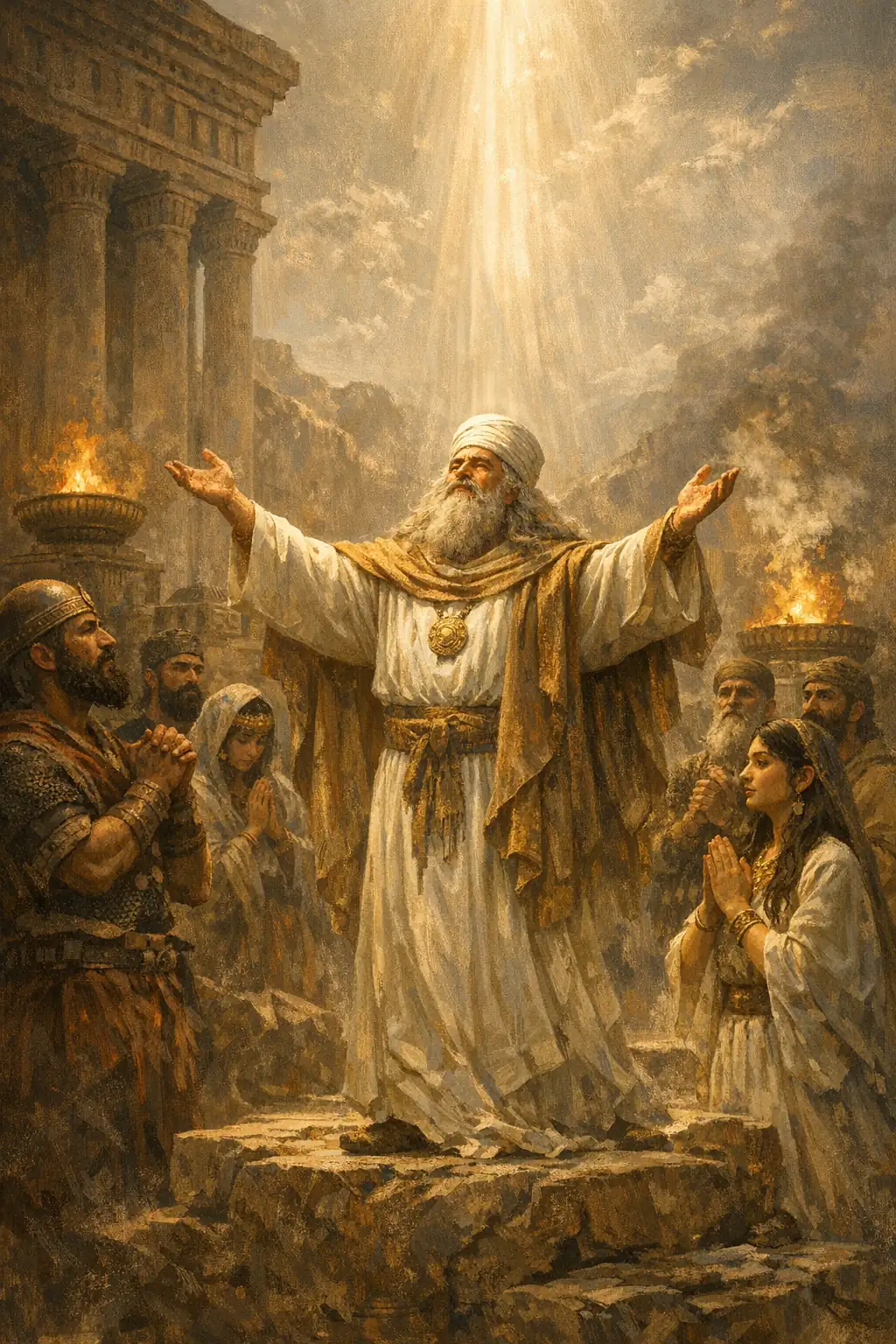
Dawn of Pure Monotheism

Up to this point—as readers have observed—no mention has been made of specific dates; because we do not know when the Sialk civilisation came into existence, nor in what period the Iranians migrated to the Zagros, and we are unaware of the date when the great central lake of Iran dried up, and we do not know when the Turanians first undertook invasions, and so forth. But from now on we enter the stage of approximate history, and we can state approximately when events occurred, until gradually we reach the stage of exact history. At the time when Sam created the mounted army in Iran and rules for warfare were established, a great intellectual and religious transformation took place in Iran, and the Iranian nation, which until that time worshipped the sun, realised that the true god is not the sun, but rather the one who created the sun and […]

Read More »

The Beginning of the Heroic Age in Ancient Iranian History (Part II)

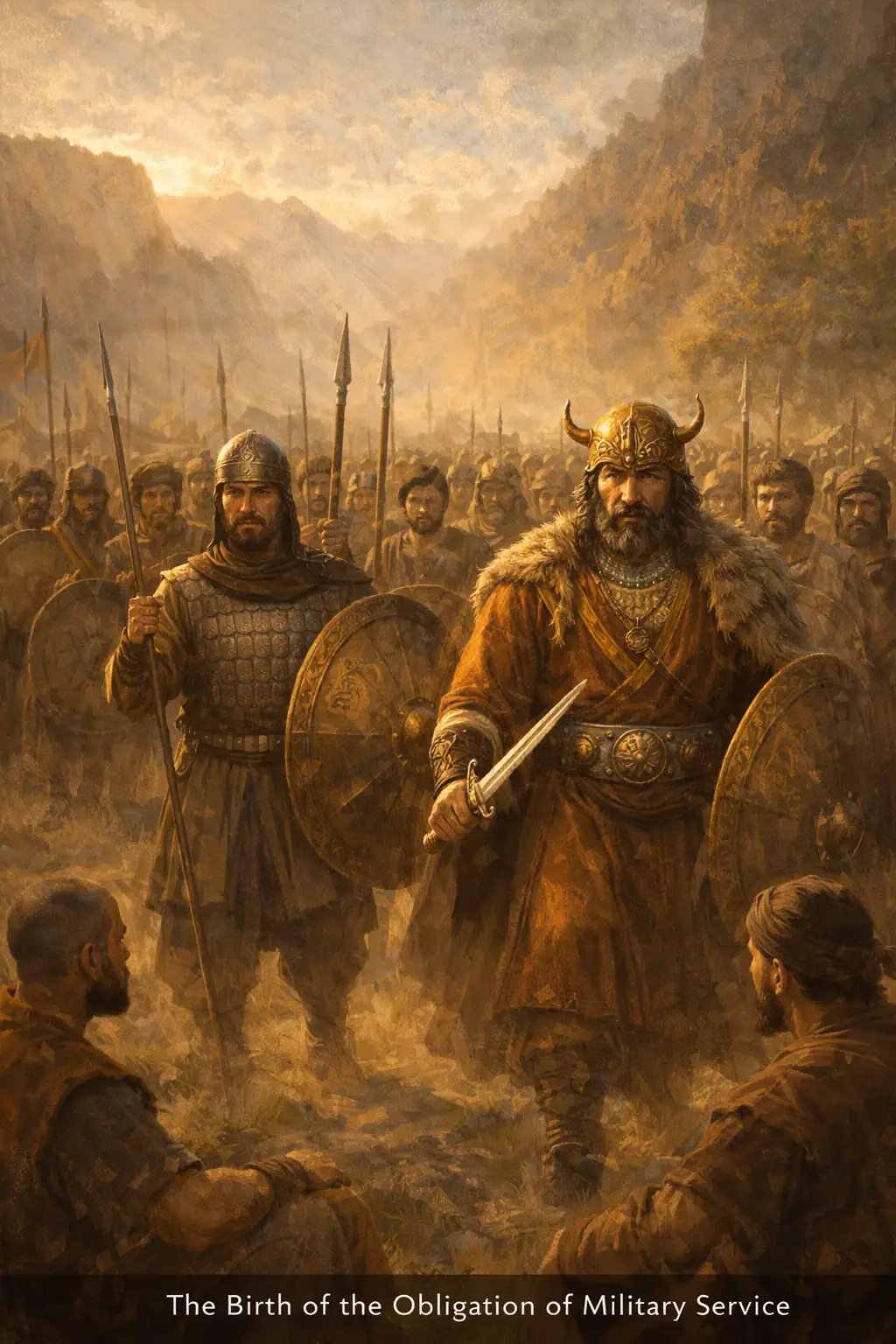
am Declares the Duty of All Men to Defend the Land

In a period whose exact date we cannot determine, in a land bordered on one side by the present-day Hezar-Masjed Mountains and on the other by the Hamun lake, a man from the class of heroes appeared who was called “Narman.” Narman, who is known in Iranian epic tales as Nariman, was a tall and broad-shouldered man with a wide chest, a slender waist, powerful arms, golden hair, and a fair and radiant face. Narman was a rider, but not on a horse; rather, he rode a bull, and according to legend—which differs from history—he even rode a rhinoceros. Narman lived by animal husbandry and was also the leading elder of Iranian heroes. In later periods, when heroism became a distinct profession, Iranian heroes no longer earned their living through agriculture or animal husbandry, but rather heroism itself had a specific income and they lived on its proceeds. However, in […]

Read More »

The Beginning of the Heroic Age in Ancient Iranian History (Part I)

Gavmard, Founder of Unity

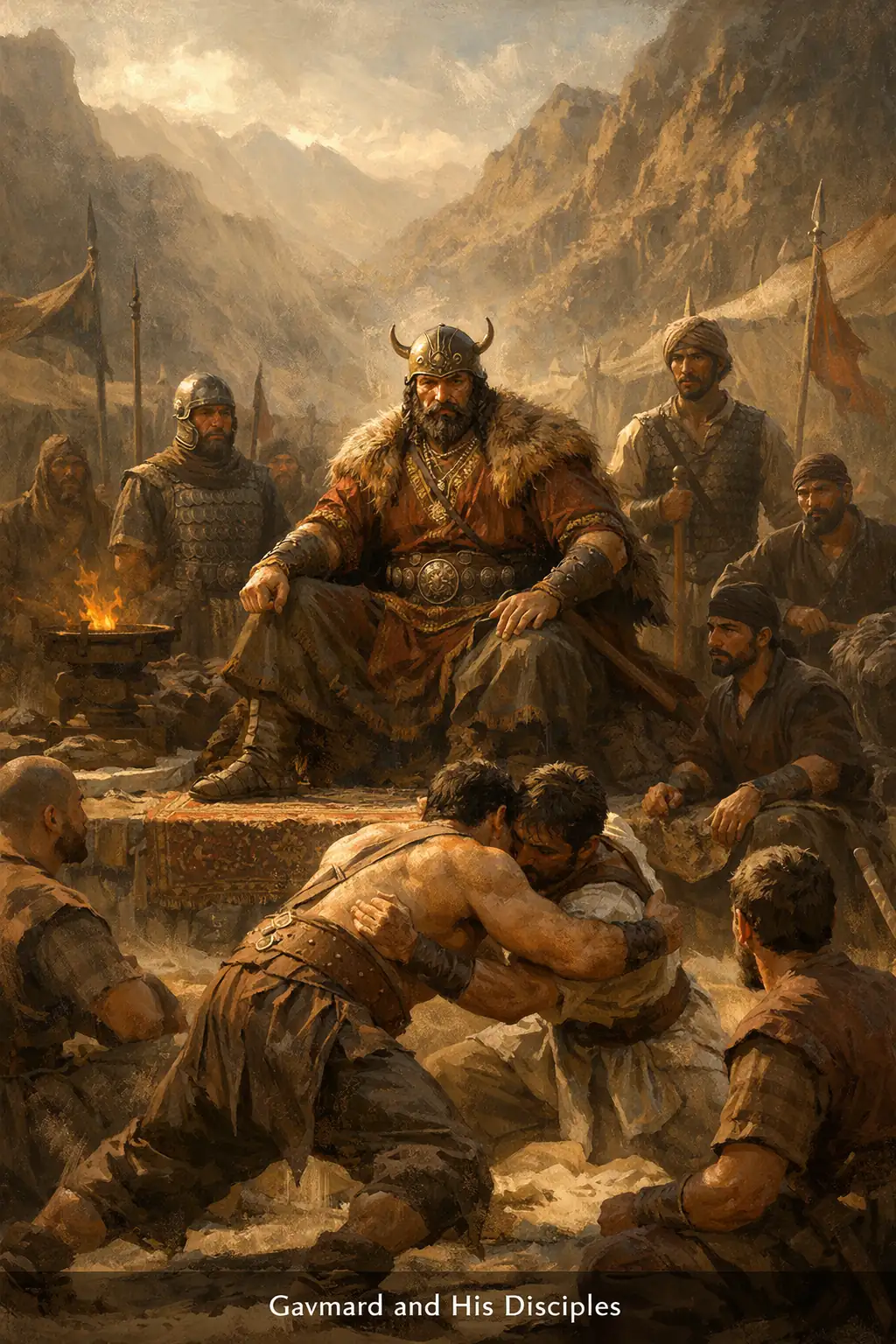
We now arrive at a period in the life of the Iranians which is the beginning of the heroic age, and that which caused the Iranians to decide to adopt the heroic way of life was the invasion of foreign tribes. At that time, the land of Iran was composed of a number of nomads (but Iranian nomads) who had moved from one point of Iran to another and, in their new settlements, created a new civilisation that differed somewhat from the civilisation of Sialk. In the civilisation of Sialk (near present-day Kashan), pottery-making, metalworking, and the domestication of animals existed, but weaving did not exist; and as we have seen, weaving came from Giyan, which was a city near present-day Nahavand. After the Iranians migrated to Zabulistan and then to Khorasan and afterwards to the southeastern and southern coasts of the Caspian Sea, the recognition of useful plants, the […]

Read More »

The beginning of Iranian immigration (Part IV)

Sails of the Caspian — Guided by Stars

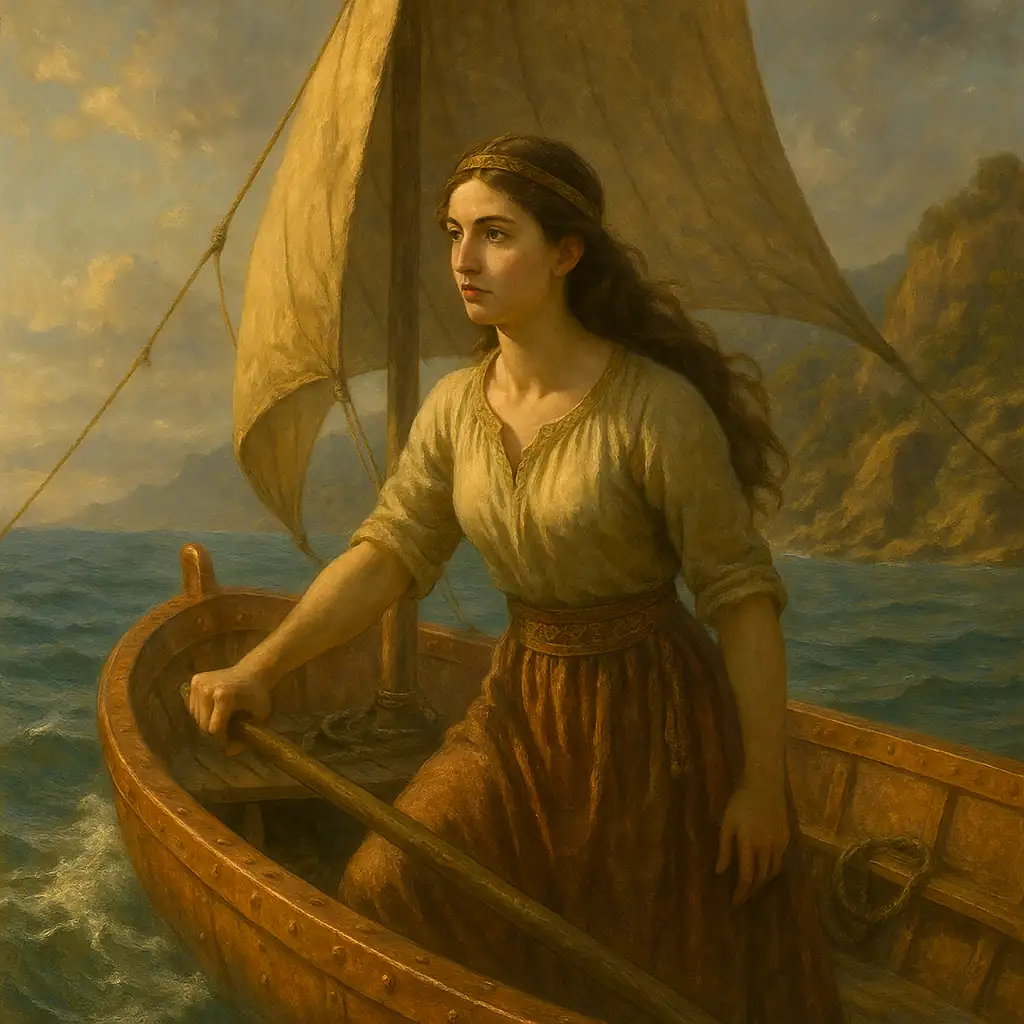
Rudab encouraged other women to build skiffs, and they too learned from the queen of Iran the craft of making skiffs and then small boats, and they put out to sea in their own skiffs. Iranian women learned the art of seafaring on a sea that in ancient times was one of the stormiest lakes in the world, and even now the Caspian Sea is the stormiest lake in the world. Because they constantly sailed on a sea with great waves, they gained insight into seamanship. They realized that, along the Caspian coast, the dangerous zone is the zone connected to the shore; if they avoided sailing there and kept a little distance from it—and thus from the land—the water would be without turbulence and one could sail with ease. They were also the ones who understood that, for seafaring on the Caspian, the most dangerous areas are river mouths; […]

Read More »

The beginning of Iranian immigration (Part III)

Rud II and the idea of worshiping God

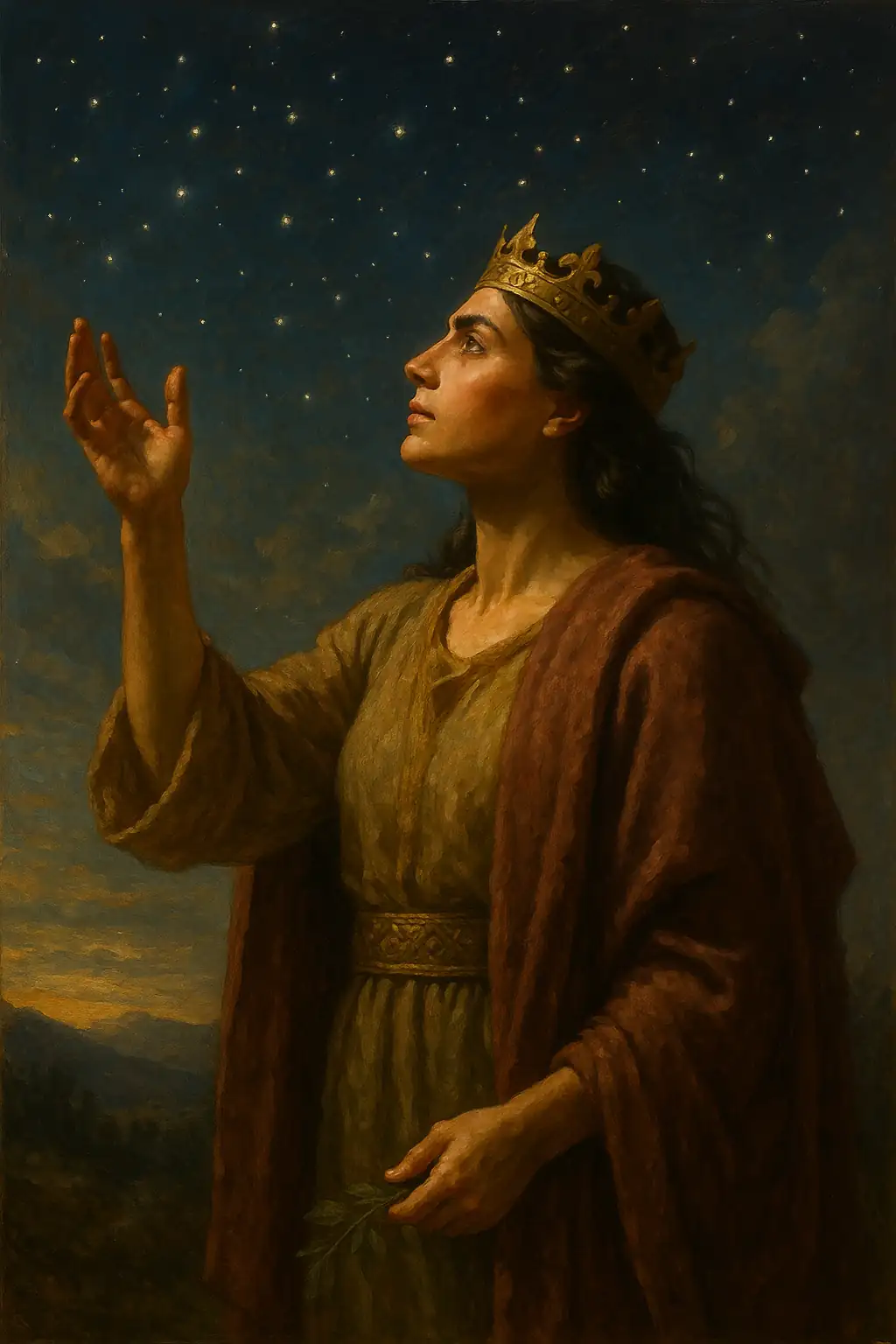
Another outstanding event that occurred in the time of Rud II—and was more important than the foregoing events—was the emergence of the idea of worshiping God, and Rud II was the originator of that idea.1 What led Rud II to think of worshiping God was that she became more knowledgeable than her forebears and descendants about astronomy and realized that the stars in the sky have orderly motions and that their movements obey a specific law. Up to that time the Iranians worshiped the sun and—as we have said—attributed everything to the sun. But Rud II told her people that there is something that brought the sun into being, and that is “Mard,” and the Creator of the sun and the earth and the stars is “Mard,” and Mard has will; he was, is, and will be; and all must obey Mard—and Mard means God.2 The words “fard—mart—mazd (with z)—mardā—mazdā” […]

Read More »

The beginning of Iranian immigration (Part II)

Rud II and the Birth of Persian Perfumery

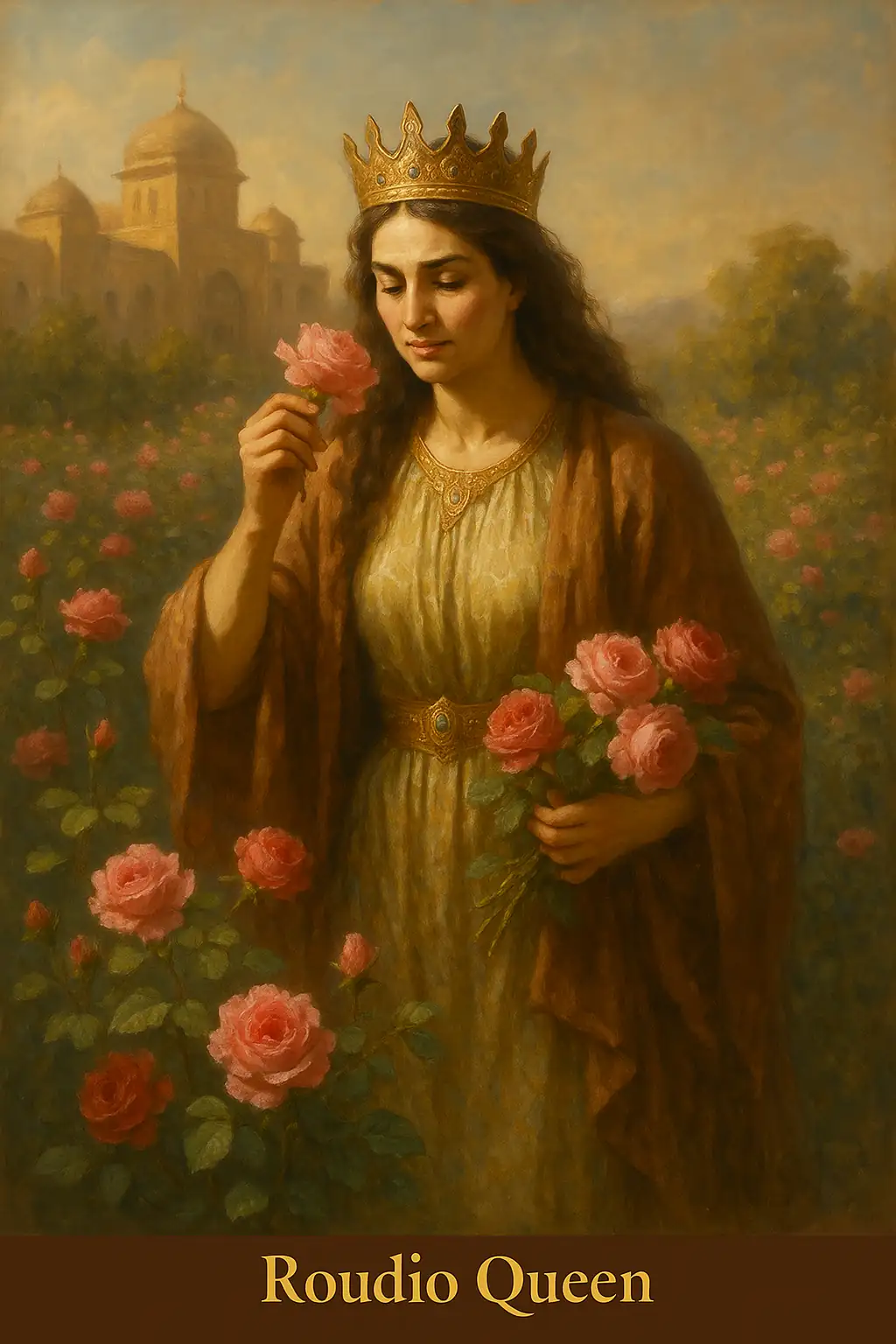
The Turanians stayed in Zabolestan until they had eaten everything there was and destroyed whatever they could—out of ignorance and merely for a moment’s amusement. Then they were struck by famine and resolved to head west to plunder the Iranian cities in that direction; but winter overtook them, and they realized that if they went west or north they would die of cold, and the land of Turan had no provisions for them to return home. They were forced to remain in Zabolestan and, from extreme hunger, began eating the animals they had slaughtered; by carrion-eating they fell ill and, one after another, perished in the fertile land of Zabolestan. The Turanians in Zabolestan died of hunger and disease, but Rud, the Iran-ban, and his family, and the Iranians who had migrated with him to Zabolestan, did not soon return there for fear of the savage Turanians. In the region […]

Read More »