American and European historians who, from twenty years ago and especially from ten years ago, have paid attention to and studied the historical sources of Iran say that these sources are not entirely legend, and that historical events can be seen in them. However, they do not have chronological order, and events have been moved forward or backward. The dynasties of Iranian kings have become mixed in Iranian sources, or a king who belonged to one dynasty has been transferred to another dynasty. Naturally, prehistoric events have also been mixed with historical events. After the historical events of Iran were written in New Persian, the pronunciation of words changed greatly, because the New Persian alphabet was, and still is, without vowels. For this reason, “Dastur” on the pattern of “Ranjbar” became “Dastur” on the pattern of “Santur”, and the historical name Nebuchadnezzar (Ne-bukht Ne-zar) became “Bakht al-Nasr”, because due to […]
The Eternal Landسرزمین جاوید
“The Eternal Land” is an expansive narrative of ancient Iran that, in a storytelling prose, traces a blend of myth and history from the eras of the Pishdadians and Kayanids up to the rise of the Achaemenids. Its well-known Persian version is by Zabihollah Mansouri, who, rather than a word-for-word translation, rewrote the account based on the works of Iranologists such as Roman Ghirshman, Marijan Molé, and Ernst Herzfeld. The result is a compelling, readable work with vivid descriptions of rituals, wars, kings, and historical geography—an engaging introduction to the world of ancient Iran for a general audience.
«سرزمینِ جاوید» روایتِ بلندبالایی از ایرانِ باستان است که با نثرِ داستانگو، آمیزهای از اسطوره و تاریخ را از روزگاران پیشدادیان و کیانیان تا شکلگیریِ هخامنشیان دنبال میکند؛ متنِ فارسیِ مشهورش به قلمِ ذبیحالله منصوری است که بهجای ترجمهٔ لفظبهلفظ، بر پایهٔ نوشتههای ایرانشناسانی چون رومن گیرشمن، ماریژان موله و ارنست هرتسفلد، روایت را بازنویسی کرده است. نتیجه، اثری پرکشش و خواندنی با توصیفهای تصویری از آیینها، جنگها، پادشاهان و جغرافیای تاریخی است که برای آشنایی عمومی با فضای ایرانِ کهن جذاب است.

Who Was the First King of Iran (Part III)
Some modern historians who wish to write something about the history of Iran pay attention to two things: first, the works of ancient Western historians such as Xanthus, from the country of Lydia, Herodotus the Greek, Diodorus, born on the island of Sicily and holding Greek citizenship, Tacitus, from the country of Rome, and others; second, the works that have been obtained during the last forty years in Iran and in some Middle Eastern countries as a result of historical excavations. In their view, only these two sources have authenticity, and they do not use the historical sources of Iran itself in any way. They consider all the historical sources of Iran relating to the period before Islam to be legends. The historical legends of Greece and Rome are, in the view of some modern historians, worthy of attention, and thick books have been written about the origins of those […]
Who Was the First King of Iran (Part II)
During local festivals, the villagers of southern France decorate the horns of their cows with flowers and greenery, and in the villages of Gilan too, during local festivals, the horns of cows are decorated with flowers and greenery. The song that rural women in the settlements of southern France sing for milking cows is, in terms of melody, similar to the song that the rural women of Gilan hum for female cows. A traveller who enters the villages of southern France sees large, thick, and heavy earthenware vessels in which rural women grind certain foodstuffs such as walnuts, almonds, and lentils after cooking them. The same vessels, in the same form and for the same use, are seen in the villages of Gilan. Before the use of coal became common in France for winter fuel, in the villages of southern France during winter they would fill a brazier with charcoal […]
Who Was the First King of Iran (Part I)
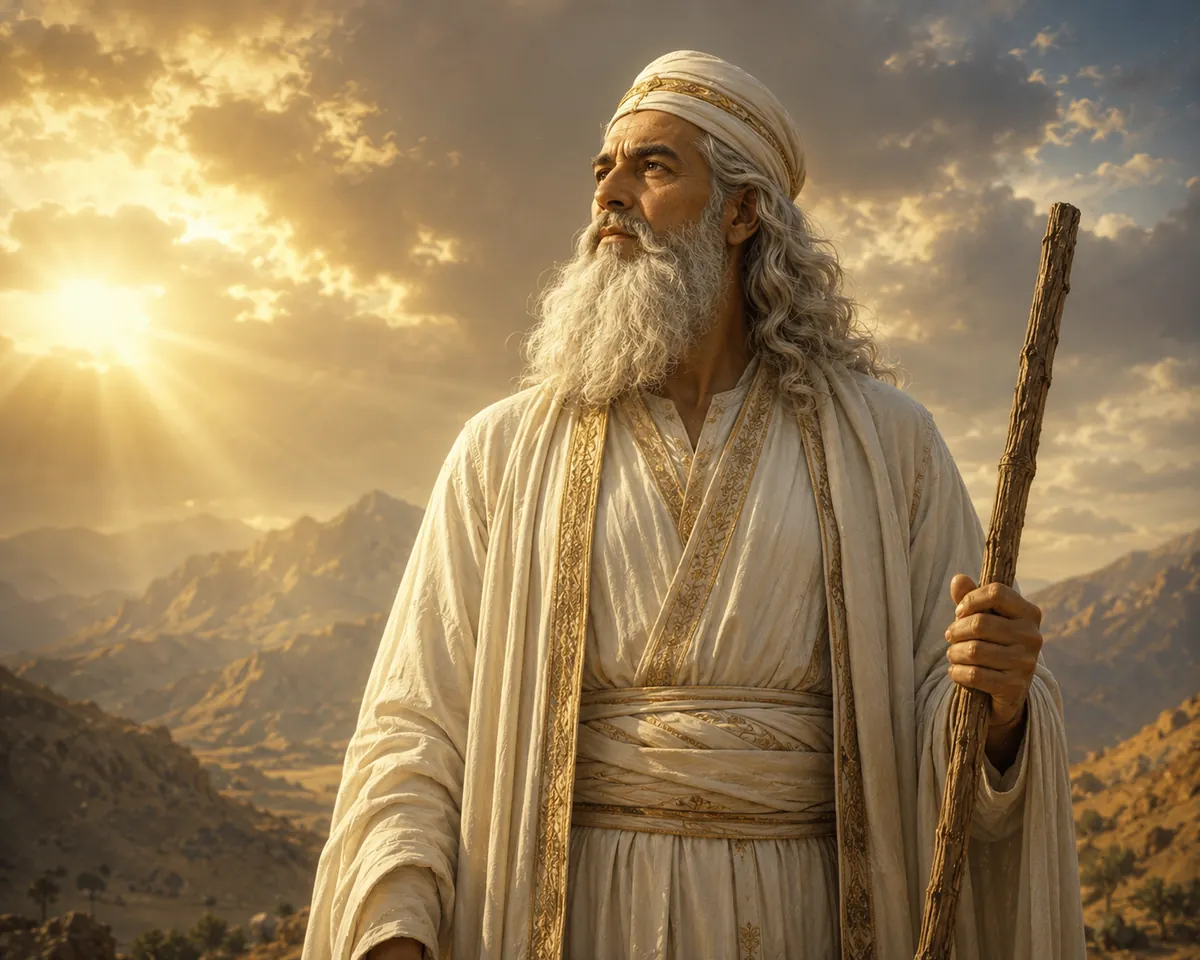
zoroaster portrait image
Some time before the Achaemenid dynasty began to rule in Iran, and even some time before the Medes began to rule in Iran (in the north-west and west), Iran had a king named Gath. We do not know whether Gath is the same Zoroaster who composed the Gathas, which have survived to this day, or whether he was another person. There is no doubt about the existence of Zoroaster and Gath, but it is possible that ancient historians confused these two names with each other. Richard Frye, the Iranologist and current professor of Iranian history at Harvard University, who also travelled to Iran this year (the year 1345 in the Iranian calendar), tried very hard to determine the exact time of the reign of Gath or Zoroaster, but he was unable to do so. His estimate ranges from six thousand years before Christ to six hundred years before Christ, and […]
Thoughts, Inventions, and Discoveries of the Ancient Iranians (Part IV)
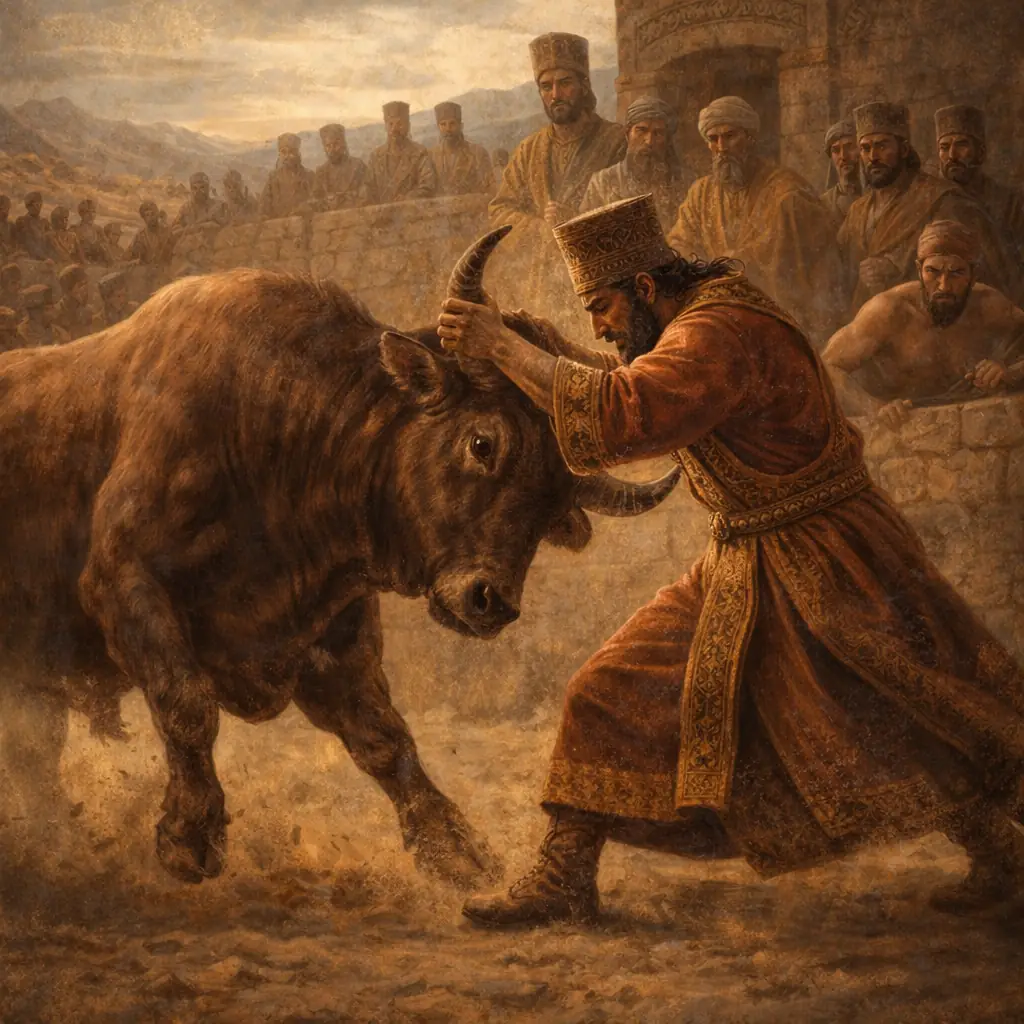
Ancient Iranian bull fight in action
In the civilisation of the island of Crete, the cow, whether male or female, was of great importance, and the inhabitants of Crete also learned this from the Iranians, who were the first settlers of that island. Since the ancient Iranians regarded the cow as a useful animal, after the domestication of animals became common they strove to keep it, and the fact that we see the name of the cow used in part of the names of ancient Iranians was due to the Iranians’ special attention to that animal. The ancient Iranians ploughed the land with the bull and used the milk of the cow, and they used the bull for riding and carrying loads, and bullfighting, which people imagine to be a Spanish sport, was an Iranian sport, and bullfighting in Iran may have a history of ten or fifteen thousand years; but Iranian bullfighting was not in […]
Thoughts, Inventions, and Discoveries of the Ancient Iranians (Part IV)
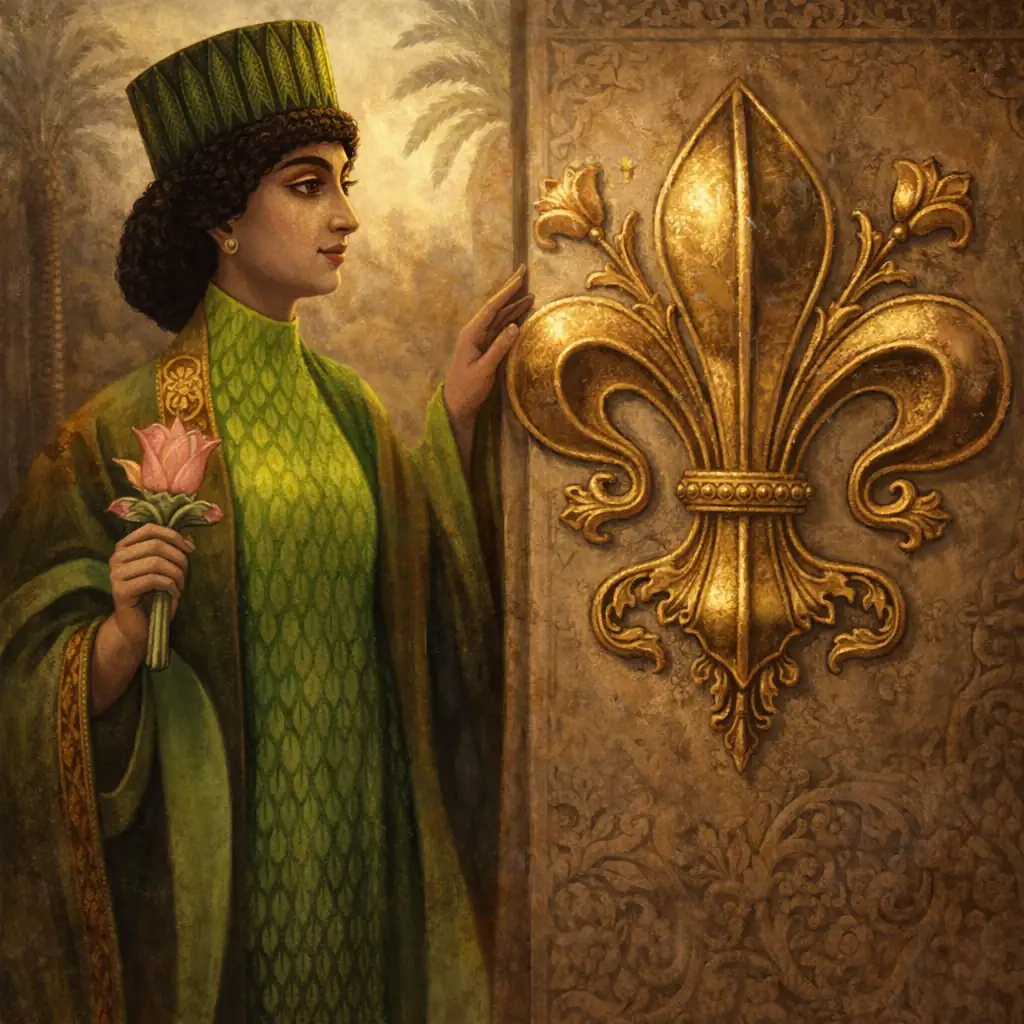
Persians and Iris symbol emblem
Up to today historians have spoken of the migration of the Aryan race to Iran, but they have not mentioned the migration of Iranians abroad and have not said that Iranians to migrated out of the country of Iran. By Iran here we mean a vast region between the Hindu Kush mountains and the rivers Jeyhun (Amu Darya) and Seyhun (Syr Darya) and the rivers of Mesopotamia and the Caspian Sea and the Sea of Oman and the Persian Gulf, and the Iranian peoples in this vast region were divided into numerous groups, and three thousand years before Christ three groups of these peoples became distinct, that is, they were clearly differentiated from the other groups, and they were the Parths (the letter “th” with three dots in this word should be pronounced so that it is close to “t” with two dots) and the Persis and the Medes. Between […]
Thoughts, Inventions, and Discoveries of the Ancient Iranians (Part III)
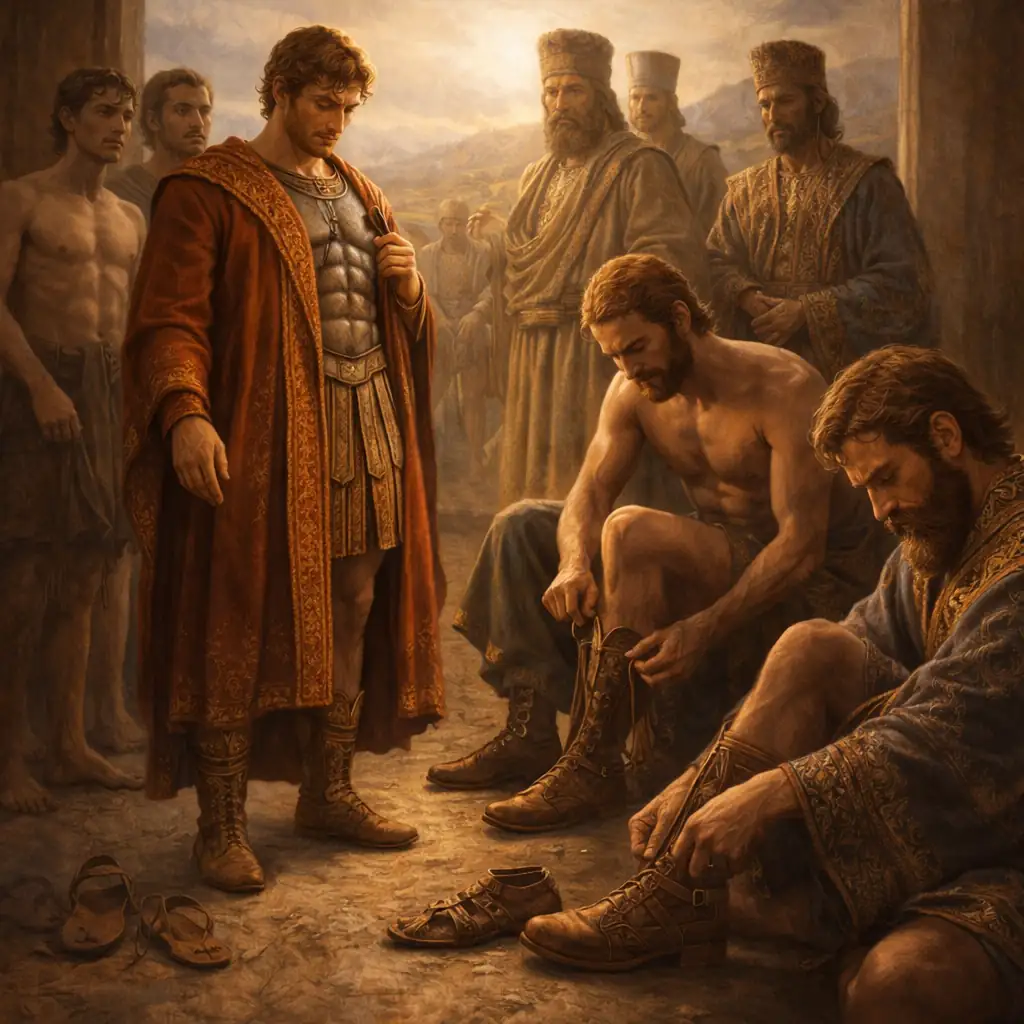
Alexander adopts Persian attire
Alexander, after he entered Iran and saw the things that Cyrus had done and heard from the Iranians, realised that no one should demean or insult a religion on the grounds that it is not his own religion. Another of the great examples that Alexander took from the Iranians was public education. When he entered Iran, he observed that all Iranians could read and write, whereas in Greece reading and writing and the acquisition of knowledge were restricted to a handful of people; therefore he set out to make reading and writing public in Greece as well. While reading these lines, this question comes to mind: if reading and writing were so prevalent in Iran, why were some classes deprived of reading and writing at the end of the Sasanian period? There is no doubt that at the end of the Sasanian period some classes were deprived of reading and […]
Thoughts, Inventions, and Discoveries of the Ancient Iranians (Part II)
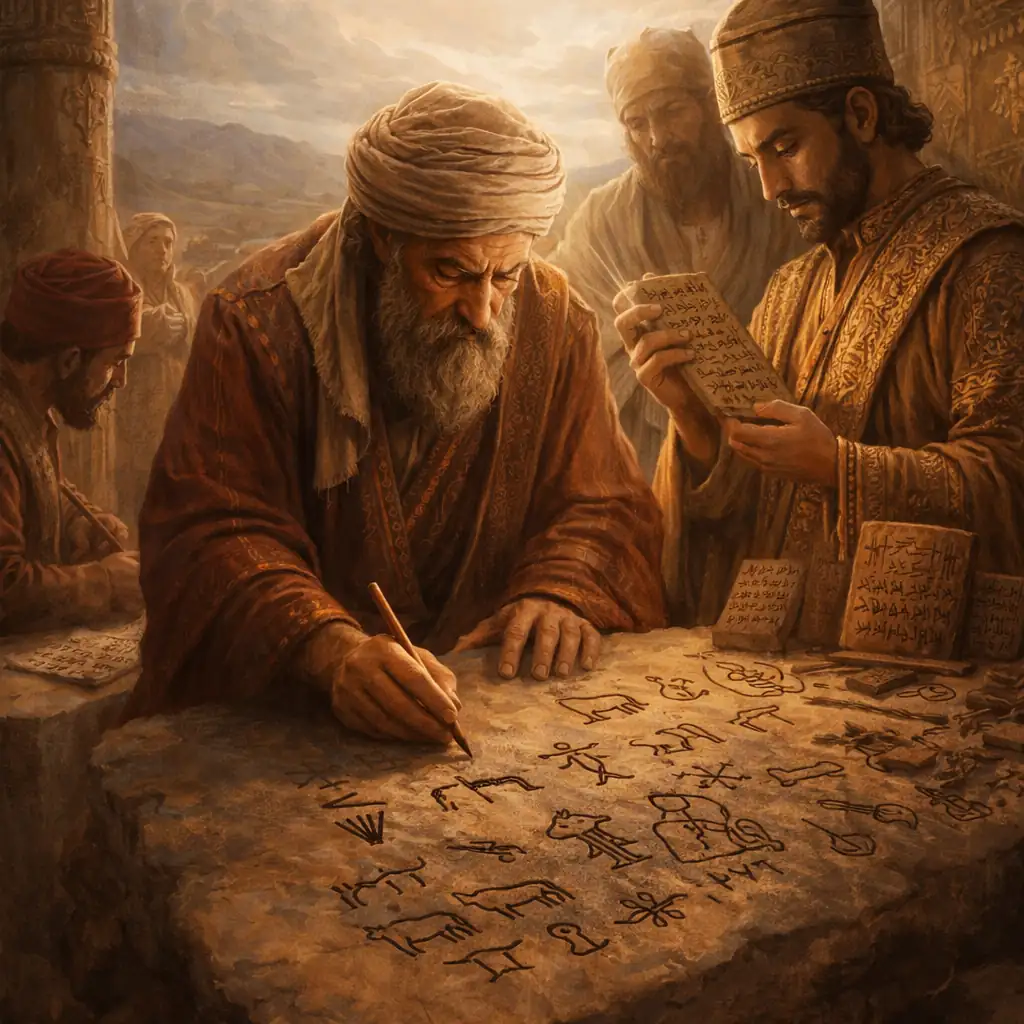
The Emergence of Writing in Ancient Iran
The initial script of the Iranians was (most probably) something like pictographic writing, and after some time they were able to invent an alphabet, and that alphabet was so noteworthy that seven thousand years ago it sufficed to meet the needs of writing; and after we enter the historical stages of Iran (that is, the period for which written history is available), we see that the Iranians brought the alphabet to such a degree of perfection that none of the alphabets of today’s world can rival it, and this is a sign of cultural development in ancient Iran. In the historical period, the Iranians had three types of alphabet: one for writing books and religious texts, another for writing books and ordinary matters, and a third for writing everything; and all sounds, even the sounds of birds and mammals and the sound of wind and sea waves and the falling […]
Thoughts, Inventions, and Discoveries of the Ancient Iranians (Part I)
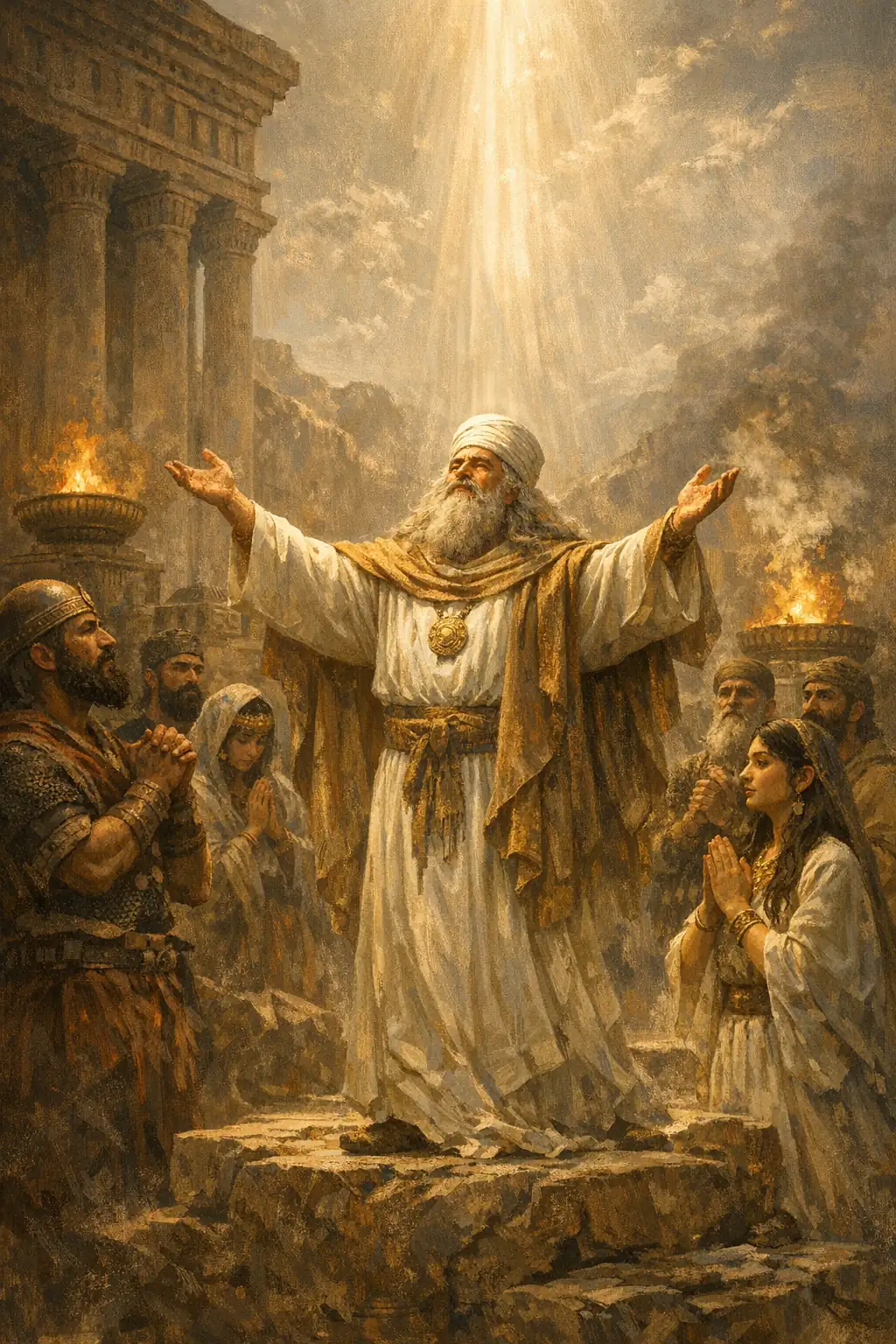
Dawn of Pure Monotheism
Up to this point—as readers have observed—no mention has been made of specific dates; because we do not know when the Sialk civilisation came into existence, nor in what period the Iranians migrated to the Zagros, and we are unaware of the date when the great central lake of Iran dried up, and we do not know when the Turanians first undertook invasions, and so forth. But from now on we enter the stage of approximate history, and we can state approximately when events occurred, until gradually we reach the stage of exact history. At the time when Sam created the mounted army in Iran and rules for warfare were established, a great intellectual and religious transformation took place in Iran, and the Iranian nation, which until that time worshipped the sun, realised that the true god is not the sun, but rather the one who created the sun and […]
The Beginning of the Heroic Age in Ancient Iranian History (Part II)
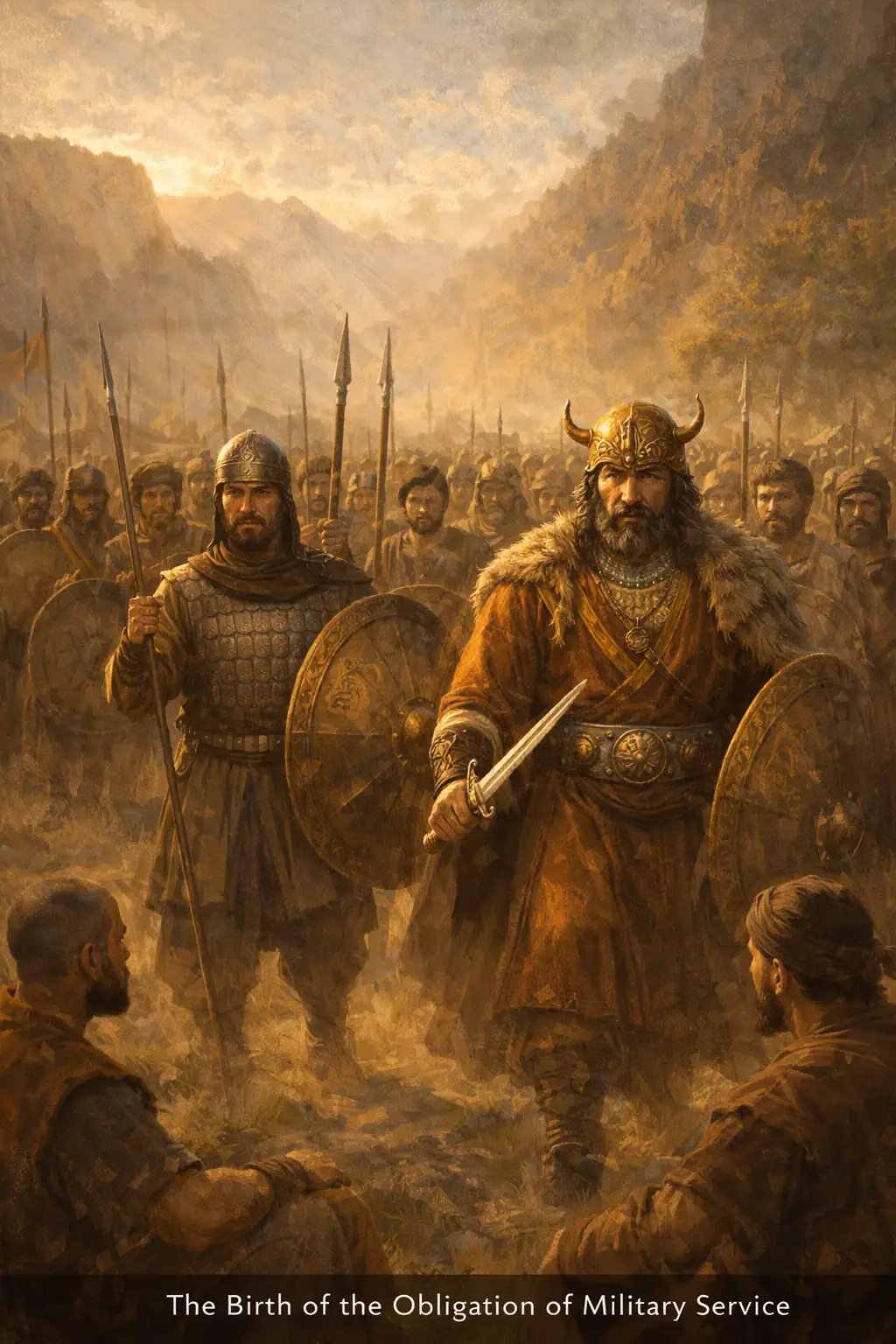
am Declares the Duty of All Men to Defend the Land
In a period whose exact date we cannot determine, in a land bordered on one side by the present-day Hezar-Masjed Mountains and on the other by the Hamun lake, a man from the class of heroes appeared who was called “Narman.” Narman, who is known in Iranian epic tales as Nariman, was a tall and broad-shouldered man with a wide chest, a slender waist, powerful arms, golden hair, and a fair and radiant face. Narman was a rider, but not on a horse; rather, he rode a bull, and according to legend—which differs from history—he even rode a rhinoceros. Narman lived by animal husbandry and was also the leading elder of Iranian heroes. In later periods, when heroism became a distinct profession, Iranian heroes no longer earned their living through agriculture or animal husbandry, but rather heroism itself had a specific income and they lived on its proceeds. However, in […]