American and European historians who, from twenty years ago and especially from ten years ago, have paid attention to and studied the historical sources of Iran say that these sources are not entirely legend, and that historical events can be seen in them. However, they do not have chronological order, and events have been moved forward or backward. The dynasties of Iranian kings have become mixed in Iranian sources, or a king who belonged to one dynasty has been transferred to another dynasty. Naturally, prehistoric events have also been mixed with historical events. After the historical events of Iran were written in New Persian, the pronunciation of words changed greatly, because the New Persian alphabet was, and still is, without vowels. For this reason, “Dastur” on the pattern of “Ranjbar” became “Dastur” on the pattern of “Santur”, and the historical name Nebuchadnezzar (Ne-bukht Ne-zar) became “Bakht al-Nasr”, because due to […]
Month: May 2026

Who Was the First King of Iran (Part III)
Some modern historians who wish to write something about the history of Iran pay attention to two things: first, the works of ancient Western historians such as Xanthus, from the country of Lydia, Herodotus the Greek, Diodorus, born on the island of Sicily and holding Greek citizenship, Tacitus, from the country of Rome, and others; second, the works that have been obtained during the last forty years in Iran and in some Middle Eastern countries as a result of historical excavations. In their view, only these two sources have authenticity, and they do not use the historical sources of Iran itself in any way. They consider all the historical sources of Iran relating to the period before Islam to be legends. The historical legends of Greece and Rome are, in the view of some modern historians, worthy of attention, and thick books have been written about the origins of those […]
Who Was the First King of Iran (Part II)
During local festivals, the villagers of southern France decorate the horns of their cows with flowers and greenery, and in the villages of Gilan too, during local festivals, the horns of cows are decorated with flowers and greenery. The song that rural women in the settlements of southern France sing for milking cows is, in terms of melody, similar to the song that the rural women of Gilan hum for female cows. A traveller who enters the villages of southern France sees large, thick, and heavy earthenware vessels in which rural women grind certain foodstuffs such as walnuts, almonds, and lentils after cooking them. The same vessels, in the same form and for the same use, are seen in the villages of Gilan. Before the use of coal became common in France for winter fuel, in the villages of southern France during winter they would fill a brazier with charcoal […]
Who Was the First King of Iran (Part I)
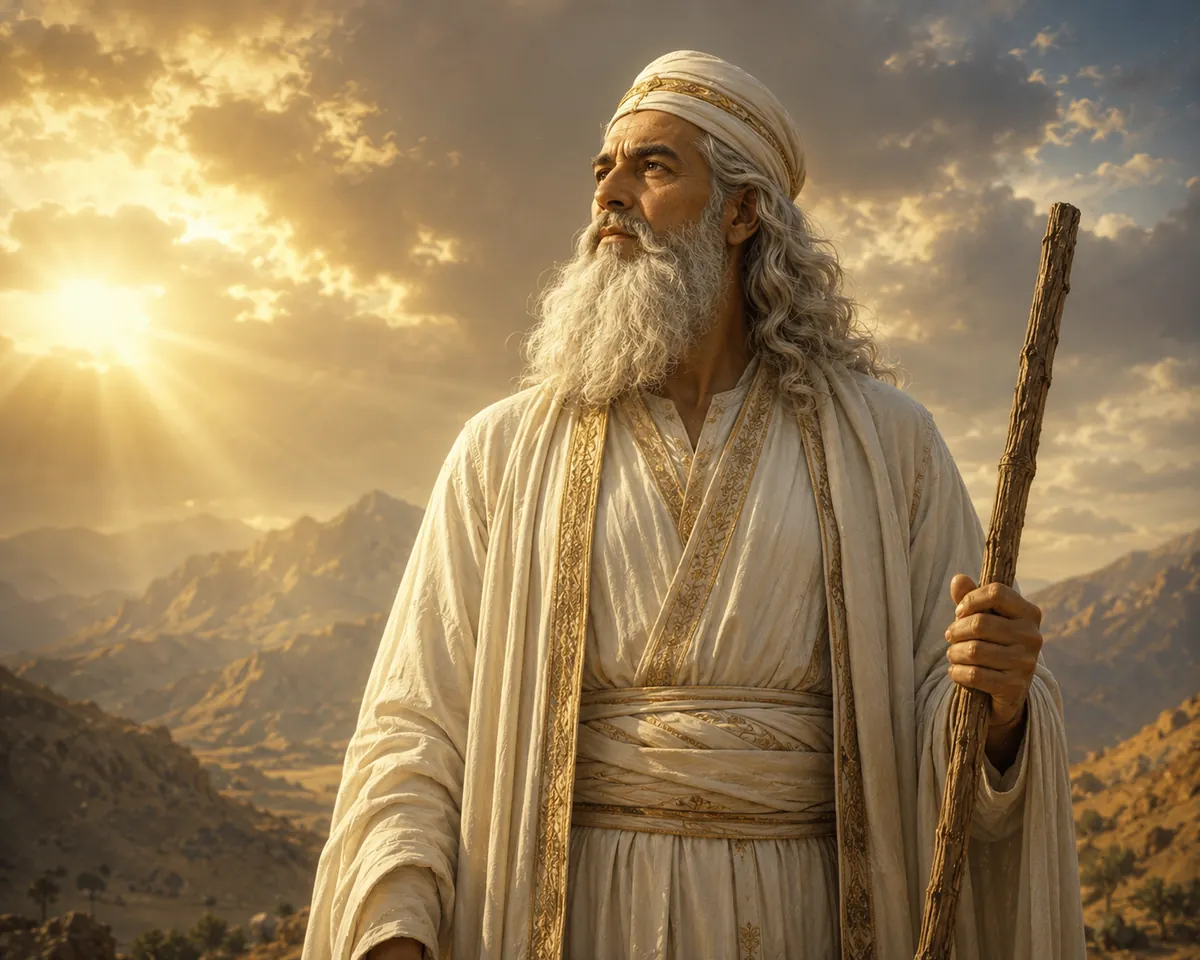
zoroaster portrait image
Some time before the Achaemenid dynasty began to rule in Iran, and even some time before the Medes began to rule in Iran (in the north-west and west), Iran had a king named Gath. We do not know whether Gath is the same Zoroaster who composed the Gathas, which have survived to this day, or whether he was another person. There is no doubt about the existence of Zoroaster and Gath, but it is possible that ancient historians confused these two names with each other. Richard Frye, the Iranologist and current professor of Iranian history at Harvard University, who also travelled to Iran this year (the year 1345 in the Iranian calendar), tried very hard to determine the exact time of the reign of Gath or Zoroaster, but he was unable to do so. His estimate ranges from six thousand years before Christ to six hundred years before Christ, and […]