Thoughts, Inventions, and Discoveries of the Ancient Iranians (Part IV)
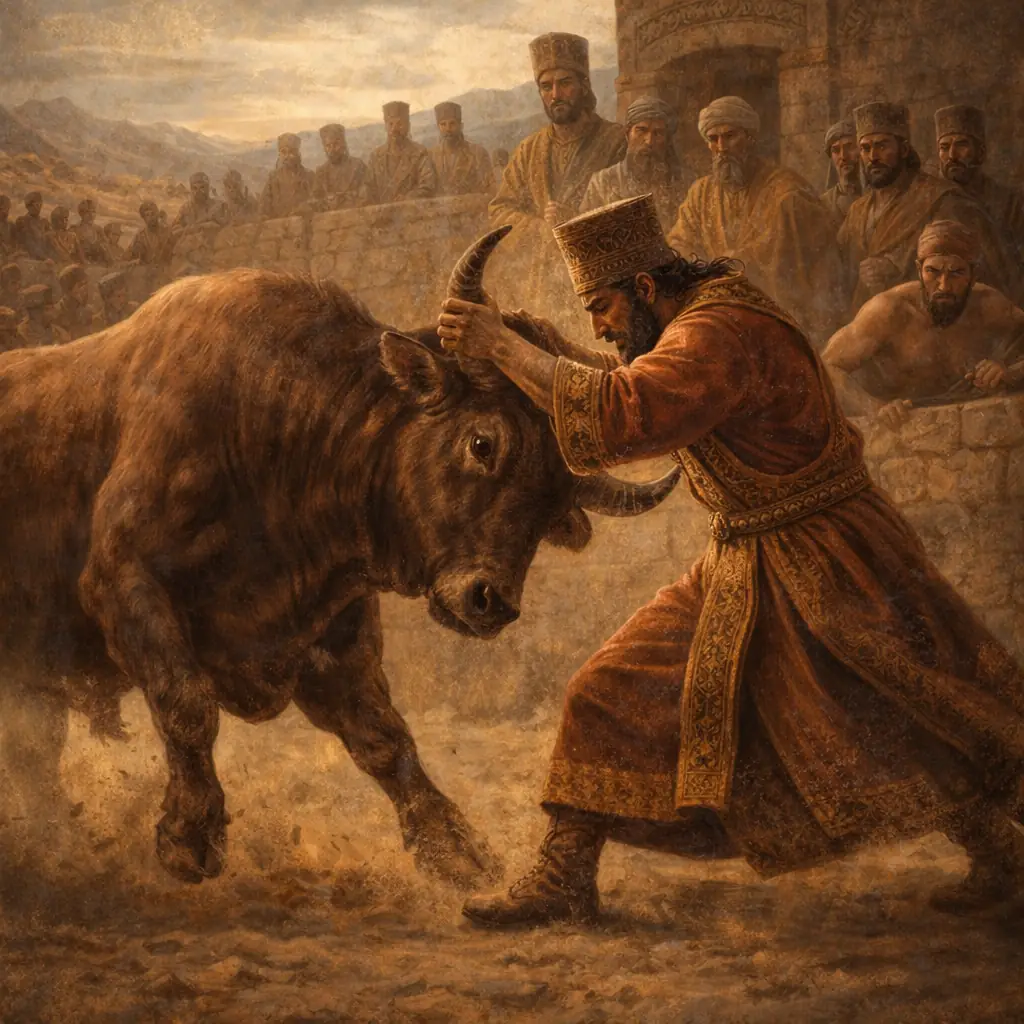
Ancient Iranian bull fight in action

In the civilisation of the island of Crete, the cow, whether male or female, was of great importance, and the inhabitants of Crete also learned this from the Iranians, who were the first settlers of that island. Since the ancient Iranians regarded the cow as a useful animal, after the domestication of animals became common they strove to keep it, and the fact that we see the name of the cow used in part of the names of ancient Iranians was due to the Iranians’ special attention to that animal. The ancient Iranians ploughed the land with the bull and used the milk of the cow, and they used the bull for riding and carrying loads, and bullfighting, which people imagine to be a Spanish sport, was an Iranian sport, and bullfighting in Iran may have a history of ten or fifteen thousand years; but Iranian bullfighting was not in […]

Read More »

Thoughts, Inventions, and Discoveries of the Ancient Iranians (Part IV)

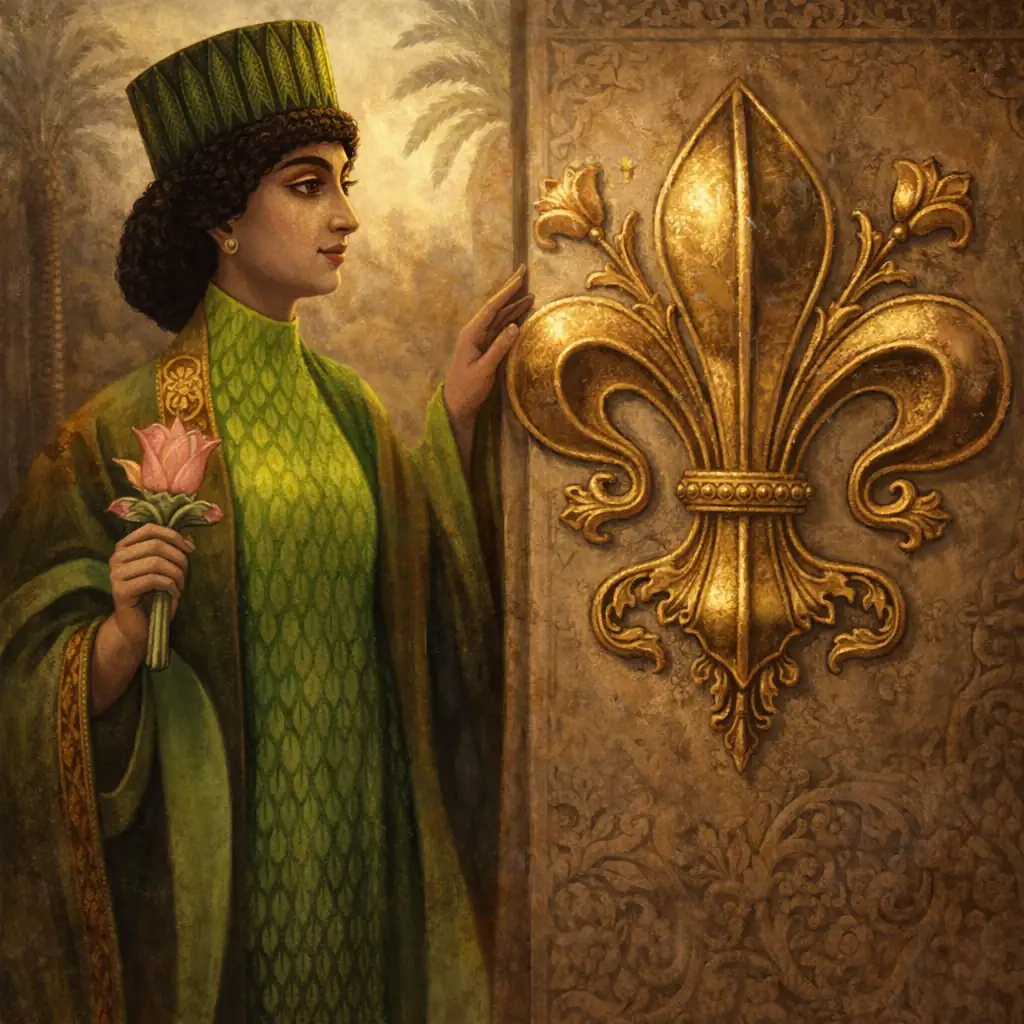
Persians and Iris symbol emblem

Up to today historians have spoken of the migration of the Aryan race to Iran, but they have not mentioned the migration of Iranians abroad and have not said that Iranians to migrated out of the country of Iran. By Iran here we mean a vast region between the Hindu Kush mountains and the rivers Jeyhun (Amu Darya) and Seyhun (Syr Darya) and the rivers of Mesopotamia and the Caspian Sea and the Sea of Oman and the Persian Gulf, and the Iranian peoples in this vast region were divided into numerous groups, and three thousand years before Christ three groups of these peoples became distinct, that is, they were clearly differentiated from the other groups, and they were the Parths (the letter “th” with three dots in this word should be pronounced so that it is close to “t” with two dots) and the Persis and the Medes. Between […]

Read More »

Thoughts, Inventions, and Discoveries of the Ancient Iranians (Part III)

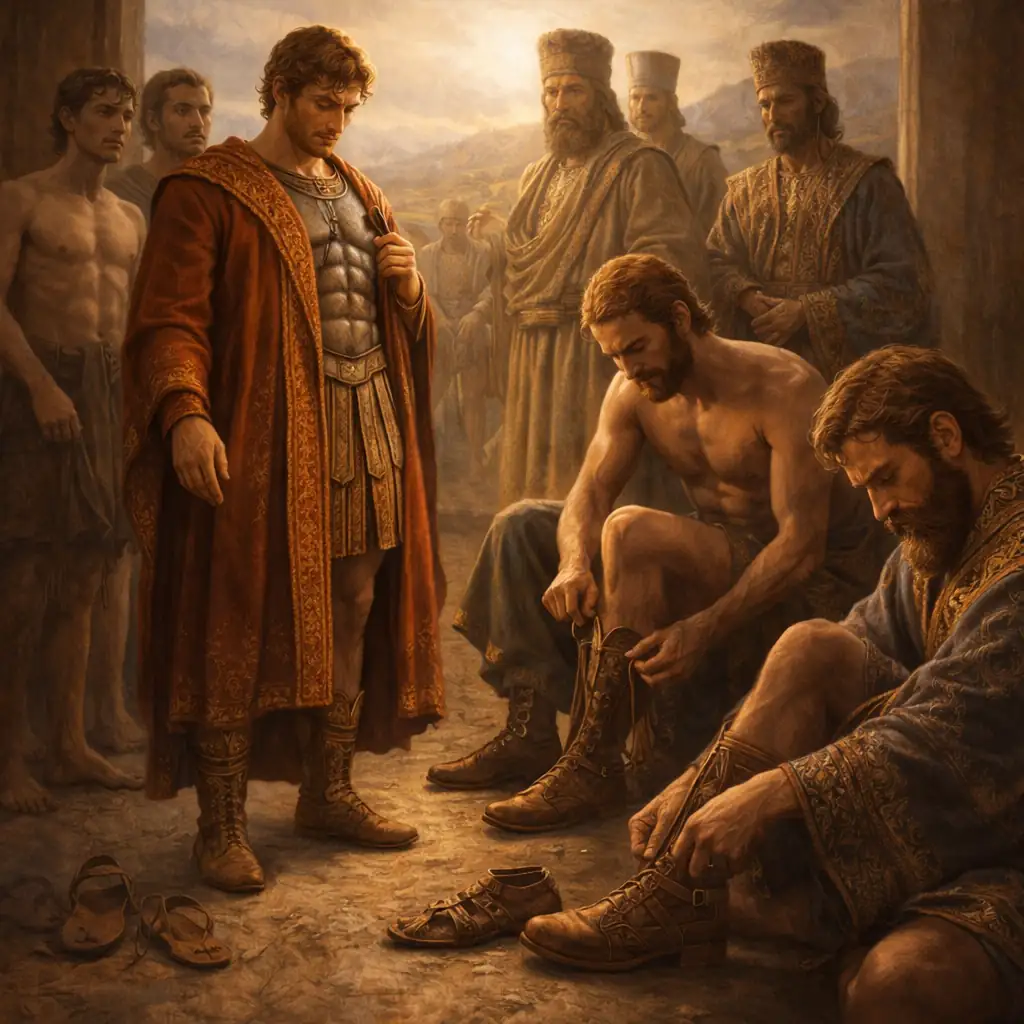
Alexander adopts Persian attire

Alexander, after he entered Iran and saw the things that Cyrus had done and heard from the Iranians, realised that no one should demean or insult a religion on the grounds that it is not his own religion. Another of the great examples that Alexander took from the Iranians was public education. When he entered Iran, he observed that all Iranians could read and write, whereas in Greece reading and writing and the acquisition of knowledge were restricted to a handful of people; therefore he set out to make reading and writing public in Greece as well. While reading these lines, this question comes to mind: if reading and writing were so prevalent in Iran, why were some classes deprived of reading and writing at the end of the Sasanian period? There is no doubt that at the end of the Sasanian period some classes were deprived of reading and […]

Read More »

Thoughts, Inventions, and Discoveries of the Ancient Iranians (Part II)

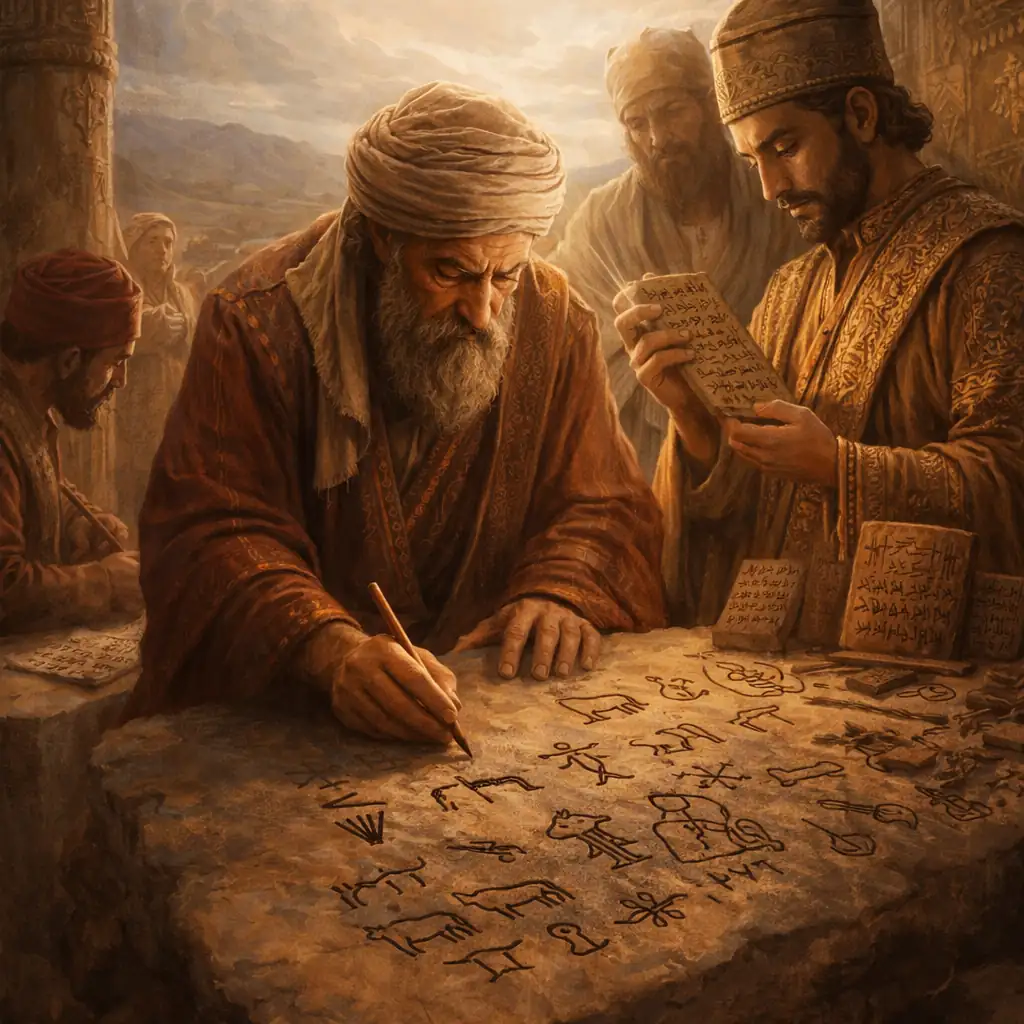
The Emergence of Writing in Ancient Iran

The initial script of the Iranians was (most probably) something like pictographic writing, and after some time they were able to invent an alphabet, and that alphabet was so noteworthy that seven thousand years ago it sufficed to meet the needs of writing; and after we enter the historical stages of Iran (that is, the period for which written history is available), we see that the Iranians brought the alphabet to such a degree of perfection that none of the alphabets of today’s world can rival it, and this is a sign of cultural development in ancient Iran. In the historical period, the Iranians had three types of alphabet: one for writing books and religious texts, another for writing books and ordinary matters, and a third for writing everything; and all sounds, even the sounds of birds and mammals and the sound of wind and sea waves and the falling […]

Read More »

Thoughts, Inventions, and Discoveries of the Ancient Iranians (Part I)

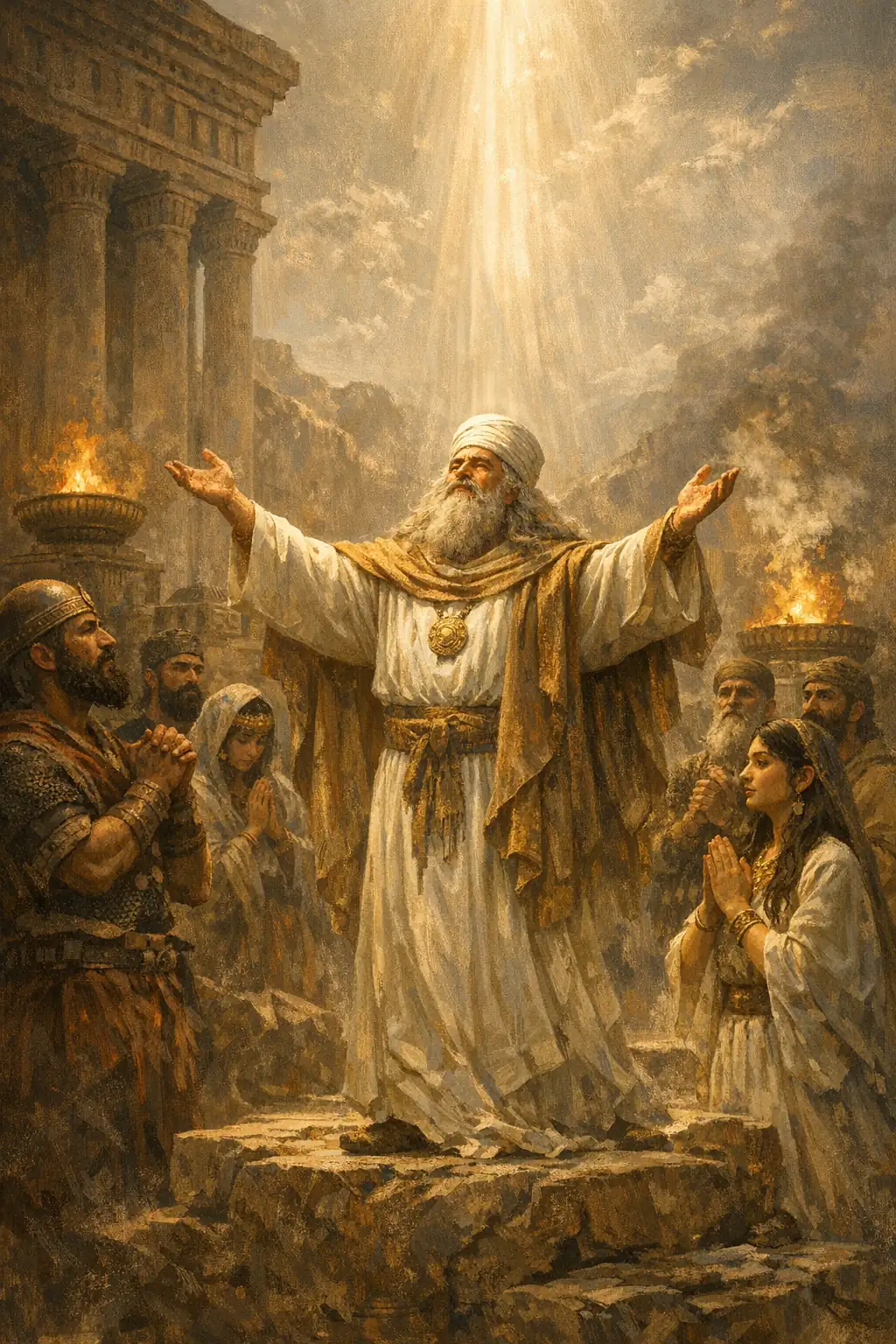
Dawn of Pure Monotheism

Up to this point—as readers have observed—no mention has been made of specific dates; because we do not know when the Sialk civilisation came into existence, nor in what period the Iranians migrated to the Zagros, and we are unaware of the date when the great central lake of Iran dried up, and we do not know when the Turanians first undertook invasions, and so forth. But from now on we enter the stage of approximate history, and we can state approximately when events occurred, until gradually we reach the stage of exact history. At the time when Sam created the mounted army in Iran and rules for warfare were established, a great intellectual and religious transformation took place in Iran, and the Iranian nation, which until that time worshipped the sun, realised that the true god is not the sun, but rather the one who created the sun and […]

Read More »